October 30, 2026
When scorching summers hit, keeping your lawn lush and green requires strategic planning and attentive care. Let's explore a few methods to protect and nourish your grass during intense heat waves. By exploring different grass varieties, watering techniques, soil management, mowing strategies, pest control, and innovative lawn care and lawn renovation technologies, you can maintain your lawn's health and aesthetic appeal even during the hottest months.
Understanding Grass Varieties and Their Needs
Cool-Season vs. Warm-Season Grasses
Grass varieties can largely be categorized into cool-season and warm-season grasses, each having unique growth periods and temperature preferences. Cool-season grasses, such as Kentucky bluegrass and ryegrass, thrive in cooler temperatures and are commonly found in northern regions. Conversely, warm-season grasses like Bermuda and Zoysia are better suited for the southern climates where they flourish during hot summers. Understanding these differences is crucial, as it influences your grass selection based on your regional climate and desired aesthetic. Selecting the appropriate grass type for your region ensures better growth and increased heat tolerance, reducing the risk of your lawn suffering during peak summer months.
Choosing Heat-Resistant Grass Species
Heat-resistant grass species have been developed to withstand prolonged exposure to high temperatures, making them an ideal choice for homeowners in hotter climates. Grass species such as Buffalo grass and St. Augustine are known for their robust nature and ability to recover from drought conditions. Using heat-resistant varieties substantially reduces water consumption and maintenance efforts without compromising on lawn quality. As residential lawns consume an estimated 9 billion gallons of water per day in the United States, according to WifiTalents, opting for these resilient species can contribute significantly to water conservation. Selecting heat-resistant grasses during a lawn renovation project not only supports your lawn's health but also plays a part in sustainable landscaping practices.
Identifying Drought-Tolerant Cultivars
Drought-tolerant cultivars provide a viable option for maintaining a lush lawn in areas susceptible to water shortages and extreme heat. These species have evolved to require less water and survive with minimal hydration while retaining their green hue. Incorporating drought-tolerant cultivars such as Tall Fescue and Bahia grass can result in a more sustainable lawn, lowering dependency on irrigation systems. The adoption of these species can significantly cut down water use, aligning with environmentally responsible lawn care practices. By choosing grasses that require less water, homeowners can enjoy a beautiful lawn even during dry spells and contribute to broader water conservation efforts.
Soil Compatibility and Grass Health
Soil compatibility plays a crucial role in maintaining grass health, as soil properties directly affect water retention, nutrient availability, and root development. Matching grass varieties to your soil type ensures optimal growth and resilience against heat stress. Soil testing is a valuable tool for identifying nutrient deficiencies and pH imbalances that may hinder grass performance. By amending the soil based on test results, you can create a more conducive environment for your grass to thrive under adverse conditions. Understanding and adjusting soil compatibility helps bolster your lawn's defense against scorching summer temperatures.
Watering Techniques for Scorching Summers
Optimal Timing for Watering
Watering at the right time is crucial for maintaining a healthy lawn during scorching summers. Early morning watering is recommended, as it allows water to soak into the ground before the day's heat leads to evaporation. By watering earlier in the day, grass can also benefit from reduced leaf wetness, which minimizes the risk of fungal diseases. This practice ensures that your lawn receives maximum hydration without wasting water resources. With water conservation being a top priority, especially during drought conditions, adhering to optimal watering times can support both lawn health and environmental sustainability.
Determining Water Requirements
Determining your lawn's water needs is essential, as excessive watering can lead to nutrient runoff and wasted resources. Grass typically requires about an inch of water per week, including rainfall, but this can vary based on grass species and soil type. Observing your lawn's appearance, such as color and wilting signs, can provide clues regarding hydration needs. Additionally, utilizing rain gauges or moisture sensors can help accurately measure water application and adjust irrigation schedules accordingly. By systematically assessing water requirements, you can maintain a healthy lawn while mitigating unnecessary water use.
Efficient Irrigation Systems
Efficient irrigation systems are integral to conserving water while ensuring your lawn remains green and healthy. Drip irrigation and sprinkler systems designed for even water distribution can help significantly reduce water waste compared to traditional watering methods. Smart irrigation technologies equipped with weather sensors automatically adjust watering schedules based on current weather conditions, optimizing water usage. These systems not only enhance lawn care efficiency but also contribute to broader sustainability efforts. Shifting towards efficient irrigation during a lawn renovation project can lead to significant conservation gains.
Deep and Infrequent Watering Benefits
Adopting a deep and infrequent watering approach encourages grass roots to grow deeper, enhancing resilience against heat and drought. By allowing the soil to dry between watering sessions, grass roots are prompted to penetrate deeper in search of moisture. This results in a sturdier lawn that can withstand periods of heat stress and reduced water availability. Furthermore, this technique minimizes water loss due to evaporation and helps prevent shallow root systems. Emphasizing deep watering practices fosters a robust, heat-tolerant lawn with reduced irrigation demands.
Soil Management and Nutrient Provision
Testing and Amending Soil pH
Testing soil pH levels is an important step in soil management, ensuring appropriate nutrient absorption and grass health. We've found that most grasses prefer a pH level between 6.0 and 7.0, which maximizes nutrient availability and promotes growth. Soil pH that is too acidic or alkaline can be amended using lime or sulfur applications, respectively. Regular soil testing allows you to monitor pH changes and make timely adjustments, providing a favorable environment for your grass. Maintaining optimal pH levels forms the foundation of effective soil management, supporting robust grass development and sustainability.
The Role of Organic Matter
Incorporating organic matter into your soil is instrumental in improving soil structure, fertility, and moisture retention. Organic materials like compost and peat moss enrich the soil with essential nutrients and enhance aeration, providing a supportive environment for root growth. The addition of organic matter also facilitates beneficial soil microorganisms that contribute to overall soil health. As a result, organically enriched soils can hold water more effectively, which is crucial during hot and dry periods, reducing the need for frequent watering. By prioritizing organic matter, you can foster a healthy, nutrient-rich foundation that supports your lawn's vitality under challenging conditions.
Choosing the Right Fertilizers
Selecting the appropriate fertilizers is essential for providing your lawn with the nutrients needed to thrive. Fertilizers rich in nitrogen, phosphorus, and potassium support grass growth and resilience against environmental stressors. Slow-release fertilizers are particularly beneficial as they gradually supply nutrients, reducing the risk of nutrient leaching and promoting sustained lawn health. Balancing fertilizer usage to prevent over-fertilization is crucial, as excessive nutrients can cause detrimental runoff and contribute to water pollution. Employing the right fertilization strategy ensures a stable nutrient supply, enhancing both grass health and environmental stewardship.
Compost and Natural Soil Enhancers
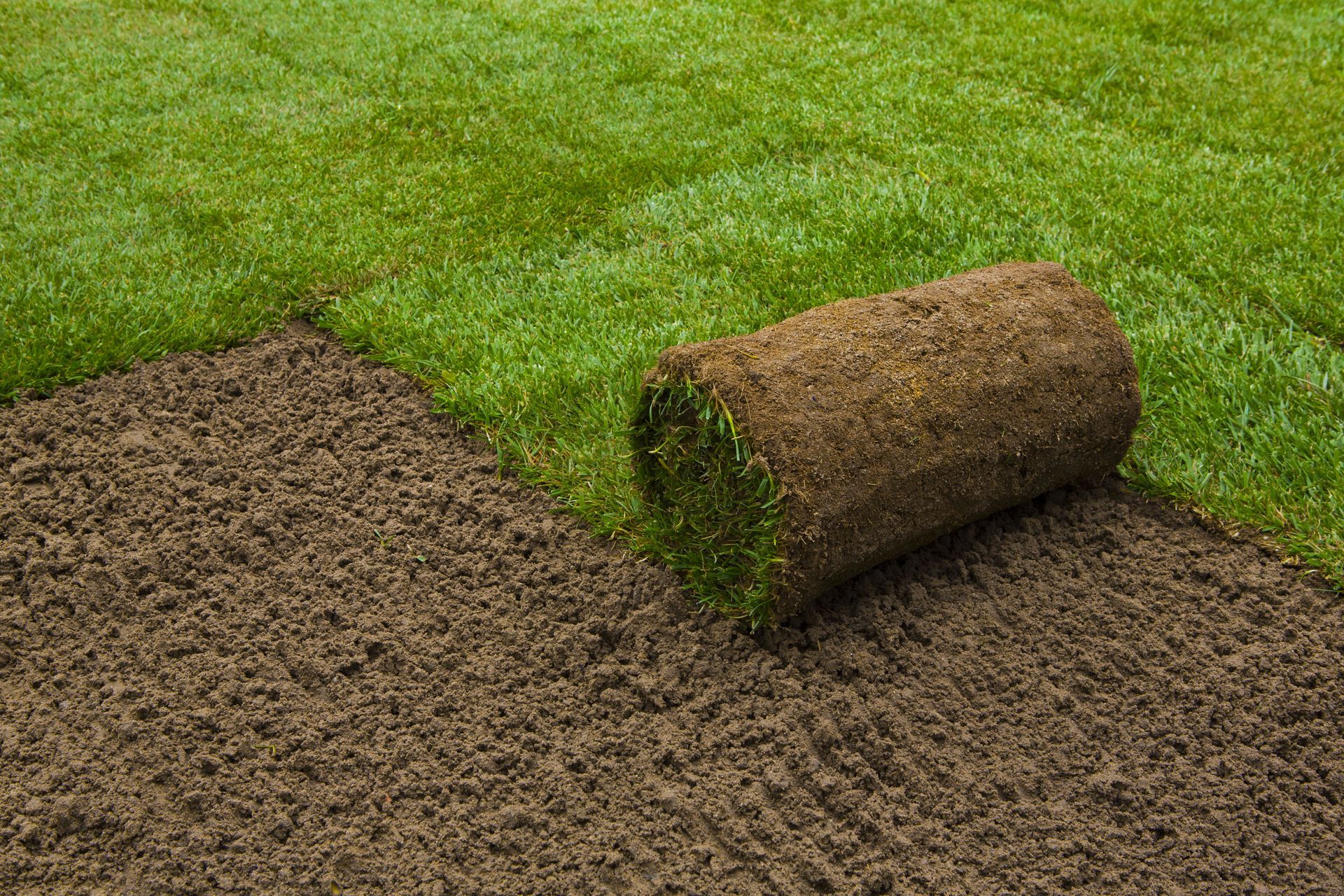
Compost and natural soil enhancers serve as excellent alternatives or supplements to synthetic fertilizers, promoting an eco-friendly approach to lawn care. These organic materials provide an array of nutrients that support grass growth and soil biodiversity, fostering a more sustainable ecosystem. Applying compost regularly can improve soil structure, enhance water retention, and mitigate erosion, especially beneficial during dry conditions. Among natural enhancers, earthworm castings is noteworthy for their capacity to boost soil fertility and microbial activity. By integrating these natural amendments into your lawn renovation project, your lawn can benefit from improved resilience to heat and sustainable growth practices.
Taking a proactive approach to caring for your yard during heat waves is key to preserving its vibrancy, strength, and long-term beauty. By combining heat-resistant grass selection, smart watering practices, and targeted soil management, you can protect your turf from even the most severe summer stress. Implementing these strategies will not only shield your grass from scorching temperatures but also serve as a foundational strategy for a successful lawn renovation that keeps your outdoor space healthy, resilient, and lush year-round. For more helpful tips, reach out to the lawn renovation experts at CONSERV-A-LAWN today!