February 27, 2026
Each year, millions of Americans find themselves facing the unpleasant effects of poison ivy exposure. With its ability to cause severe allergic reactions, understanding the necessity of professional removal services has never been more crucial. This article delves into why engaging professionals for poison ivy removal is not just beneficial but necessary for both public health and environmental safety.
Exposure to poison ivy is a significant public health concern. According to the American Skin Association, 50 million Americans are impacted annually. Given this prevalence, it is essential to recognize the growing need for expertise in managing and eliminating this persistent plant.
Understanding the Biology and Spread of Poison Ivy
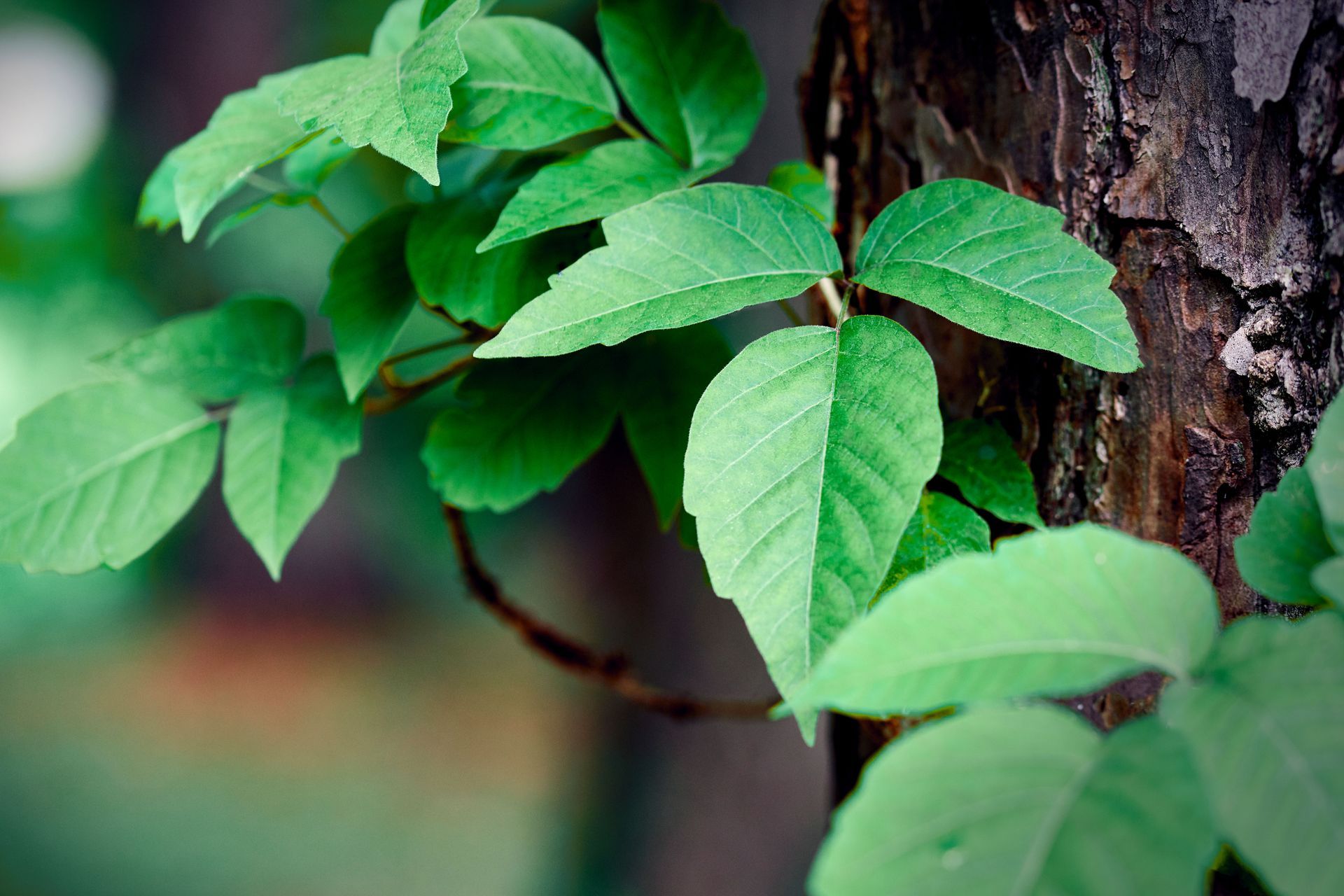
Poison ivy, known scientifically as Toxicodendron radicans, is a resilient plant notorious for its allergenic properties. Its defining characteristic is the presence of urushiol, an oily compound found in all parts of the plant, which causes allergic reactions in many. The plant is adaptable to a wide range of environments, complicating efforts to control its spread. Regrowing from even tiny roots left in the soil, it thrives in disturbed areas.
Urushiol remains potent long after the plant is dead. When skin comes into contact with it, an immune response triggers an itchy, blistering rash. The oil can adhere to clothing, pets, and tools, spreading the hazard far beyond the initial site of contact. Notably, individuals vary in sensitivity, with some being hyper-reactive. Education about the plant's biology helps mitigate risks and informs better management practices.
Examining Habitat and Environmental Spread
Poison ivy is remarkably adaptable and is found across most of the continental United States. Its presence is particularly notable along edges of forests, riverbanks, and roadsides. This versatile plant can spread through seeds or by extending its roots underground, making it challenging to eradicate once established. Changes in climate, including warmer temperatures and increased carbon dioxide levels, appear to be boosting its growth rates.
The ecological impact of poison ivy is significant, as it can suppress the growth of other vegetation. Effective management requires attention to the habitats where the plant is likely to spread, ensuring proper identification before it gains a foothold. Often, professional poison ivy removal is required to alter the growing conditions that favor its proliferation and protect local biodiversity.
Addressing Identification Challenges and Misconceptions
Identifying poison ivy is a crucial step in avoiding exposure, yet it is often fraught with challenges. While the saying "Leaves of three, let it be" is helpful, similar-looking plants often lead to confusion. Leaves vary in shape, size, and color throughout the seasons. Misidentification can result in unsuspecting individuals inadvertently spreading or coming into contact with the plant.
Common misconceptions include the belief that only direct contact with leaves causes rashes. In reality, urushiol transfers from other surfaces quite easily. Additionally, some individuals may falsely assume immunity, yet sensitization can develop over time. Public health initiatives help correct these misunderstandings, improving the ability of communities to recognize and avoid the risk.
Evaluating Public Health and Economic Impacts
The implications of exposure reach far beyond the immediate discomfort of a skin rash. Health risks include severe allergic reactions that may require medical intervention. For some, exposure leads to extreme swelling, fever, or respiratory difficulties. According to the American Skin Association, the hypersensitivity to these plants is the most frequent allergic reaction in the U.S., affecting up to 50 million Americans annually.
Repeated exposure to urushiol can lead to chronic conditions. Individuals who work outdoors are particularly at risk. Over time, consistent encounters result in heightened sensitivity. Addressing exposure risks proactively through professional poison ivy removal helps deter the long-term health impacts associated with repeated contact and protects the workforce.
Identifying Vulnerable Populations at Risk
While anyone can develop a rash, certain groups are at greater risk. Outdoor workers such as landscapers and construction workers are vulnerable because their jobs require them to work in high-risk environments. Likewise, outdoor enthusiasts like hikers and campers are at increased risk in natural settings. Children are another vulnerable group due to their innate curiosity and tendency to explore without awareness of the dangers.
Organizations should place a priority on making public spaces safe, particularly those frequented by children. Enhancing public awareness through community guidance helps at-risk populations safely navigate environments where the plant is prevalent. By targeting vulnerable groups with educational efforts, the risks associated with exposure can be minimized effectively.
Managing Symptoms and Long-Term Health
Contact sets off a series of symptoms, beginning with intense itching. This is soon followed by a red rash and, in severe cases, swelling. As the rash progresses, fluid-filled blisters may form, adding to the discomfort and risk of secondary infections due to scratching. The severity often depends on the individual's sensitivity and the extent of exposure.
The rash usually appears in linear streaks where the plant brushes the skin. However, it can become widespread if the oil has been transferred. Awareness of symptoms and early treatment is crucial to minimizing complications. While initial contact does not affect everyone, the potential for sensitization means many react to future exposures with increased severity.
Understanding Long-Term Effects of Exposure
While many recover without lasting issues, repeated contact can lead to chronic conditions. Each exposure has the potential to worsen sensitivity. For those unable to avoid the plant due to their occupation, this creates a significant health burden. Persistent irritation can lead to secondary bacterial infections, necessitating additional medical intervention.
Healthcare providers play an essential role in advising patients on avoiding repeated encounters. Regular education about plant identification and appropriate protective measures can significantly reduce chronic cases. Professional poison ivy removal offers a proactive approach to managing the presence of the plant and reducing the risk of long-term health effects for property owners.
Evaluating Severe Reactions and Hospitalizations
Case studies of severe reactions underscore the seriousness of exposure. For example, individuals have experienced significant respiratory distress after burning brush containing the plant. Inhaling smoke carrying urushiol leads to acute cases that require immediate hospitalization. These incidents emphasize the need for professional services to handle large-scale clearing.
Avoiding such extreme cases involves adherence to safety protocols. Promoting awareness includes recognizing when to seek emergency medical care. By focusing on thorough and informed strategies, communities can reduce emergency incidents. Real-world examples drive home the importance of vigilant and professional management of the landscape.
Overcoming Challenges in Removal and Safety
Attempting to handle the plant without training often presents several risks. Improper techniques can lead to further spread of the oil or accidental scattering of roots, causing regrowth. Without expert knowledge, efforts might prove ineffective and result in higher long-term costs. Professional poison ivy removal eliminates these pitfalls by using systematic extraction methods.
Health risks rise significantly when individuals lack adequate protective gear. Contact with plant matter can transfer the oil to skin or clothing. Furthermore, using incorrect tools or disposal methods can contaminate entire tool sheds or vehicles. Engaging a professional service allows for the plant to be disposed of safely and according to environmental guidelines.
Prioritizing Environmental and Wildlife Safety
Professional services also consider the impact on the local ecosystem. They use methods that minimize damage to native plants and soil health. This balanced approach is important for maintaining a healthy landscape while removing the hazardous plant. Professionals can also advise on replanting strategies to prevent the area from being re-colonized by invasive species.
Safety protocols also protect local wildlife from accidental exposure to concentrated removal agents. By choosing the least invasive but most effective methods, professional services support a sustainable and safe environment for all. This focus on ecological health is a key benefit of choosing a trained service over unguided methods.
If you are ready to reclaim your outdoor space without the risk of exposure, reach out to CONSERV-A-LAWN today. We provide thorough and effective poison ivy removal to help you maintain a safe and beautiful landscape. Our team has the experience and equipment to handle the toughest infestations, providing you with an environment free of hazardous plants.