April 27, 2026
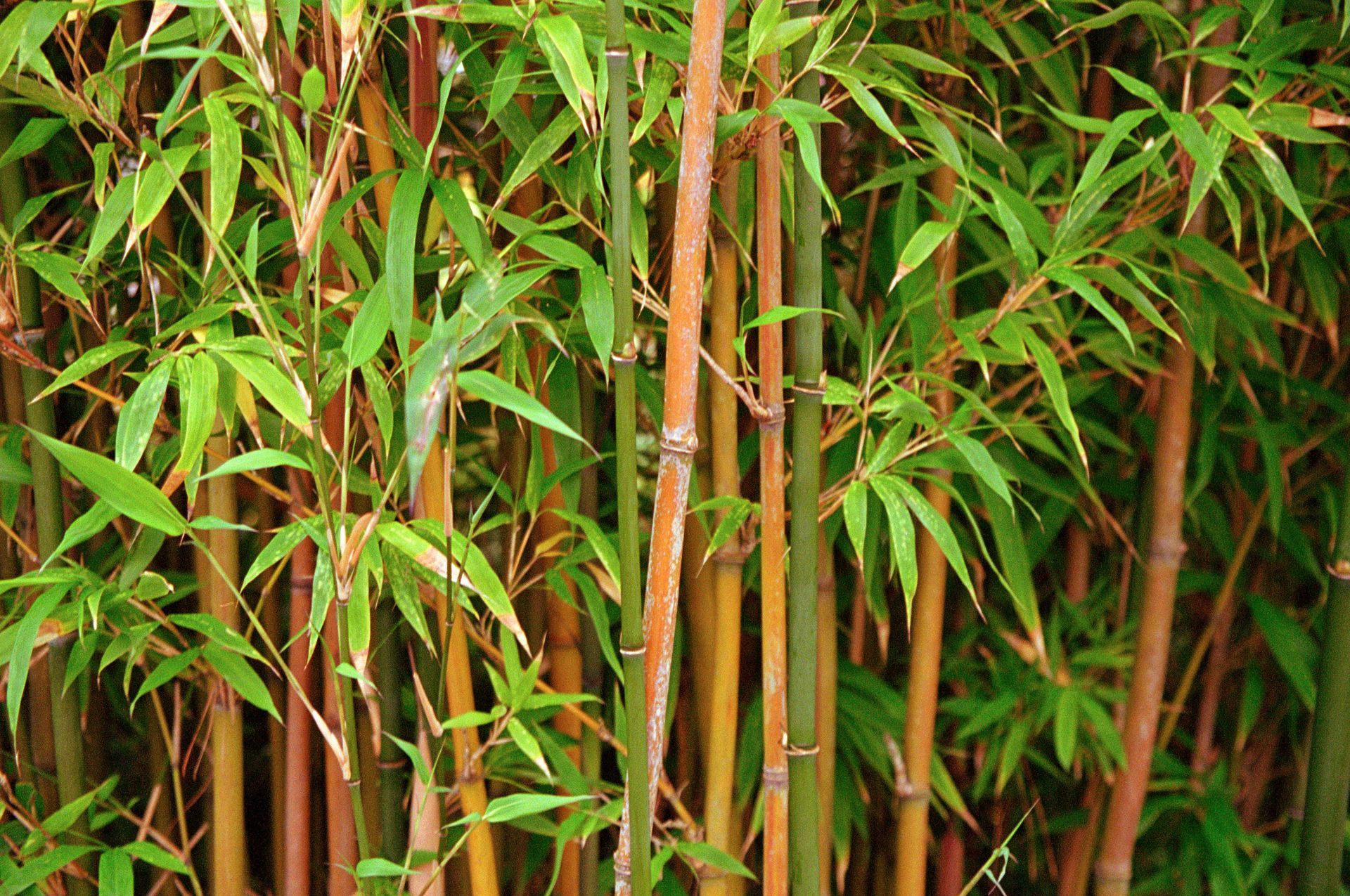
The introduction will set the stage for discussing the unexpected benefits of removing bamboo from lawns, focusing on its potential to dramatically enhance soil health. Traditionally prized for its rapid growth and aesthetic appeal, bamboo can unpredictably transform into a persistent invader that outcompetes native species and alters soil conditions. The notorious nature of invasive bamboo species arises from their aggressive spreading through rhizomes, leading to dense thickets that outshine the grace of a well-manicured lawn. Engaging with this topic highlights the transformative potential of effective bamboo removal techniques that not only reclaim the landscape but also rejuvenate the soil significantly. Here's why bamboo removal is the ultimate lawn renovation service.
The Impact of Bamboo on Soil Health
Bamboo possesses an aggressive growth pattern due to its extensive rhizome system, which allows it to spread uncontrollably beneath the surface. These rhizomes can travel great distances, often invading adjacent areas, disrupting not just aesthetic plans but also nearby ecosystems. The rapid growth rate of bamboo is unmatched by most native species, giving it a clear advantage in colonizing vast areas quickly. Such aggressive expansion results in monocultures, where bamboo becomes the dominant species, significantly altering the ecological balance. This dominance is one of the primary reasons bamboo removal has become an essential service, aiming to restore ecological diversity and balance.
Bamboo is notorious for its ability to deplete soil nutrients at an alarming rate, owing to its high biomass production and nutrient accumulation. The rapid growth requires substantial amounts of nitrogen, phosphorus, and potassium, leading to severe depletion of these vital nutrients from the soil. As bamboo monopolizes these nutrients, surrounding plants suffer from nutrient deficiency, stunting their growth. This nutrient-depletive nature of bamboo further propagates its invasiveness, cementing its position at the expense of local flora. Consequently, soil fertility declines, necessitating comprehensive strategies to restore and maintain nutrient balance post-bamboo removal.
The dense root networks of bamboo have significant implications for soil structure, often resulting in compacted soil profiles. These compacted soils reduce porosity and permeability, impeding the movement of air, water, and nutrients essential for healthy plant growth. The altered soil structure can hinder root development of other plant species, further facilitating bamboo dominance. Additionally, compacted soils pose challenges for soil microorganisms, affecting their populations and subsequently hampering decomposition and nutrient cycling processes. Addressing these structural changes is critical in restoring the dynamic soil environment needed for a thriving lawn ecosystem post-bamboo removal.
The Science Behind Enhanced Soil Health Post-Bamboo Removal
Post-bamboo removal, soil nutrient levels can be effectively rebuilt by reintroducing diverse plant species that promote nutrient cycling and accumulation. Planting a variety of grasses, legumes, and annuals contributes organic matter to the soil, which decomposes into essential nutrients. Moreover, leguminous plants fix atmospheric nitrogen, enhancing soil nitrogen levels without the need for chemical fertilizers. According to ScienceDirect, bamboo removal significantly increases the average soil multifunctionality by 51.5% and 88.2%, portraying remarkable soil health improvement. Such rebuilding of soil nutrients ensures a balanced ecosystem where plants and microbes can thrive, marking the significance of bamboo removal in rehabilitating degraded soils.
The removal of bamboo facilitates the restoration of soil structure, promoting improved aeration, water infiltration, and root penetration. Recovered soils exhibit enhanced porosity as compacted layers are broken down and voids are filled with a mix of organic matter and plant roots. This structural restoration is crucial for establishing a favorable environment for microbial and plant life, leading to enhanced ecosystem productivity. By improving soil physical properties, erosion rates are reduced, and water retention is optimized, essential factors for a sustainable landscape. Efforts to restore soil structure through management and native vegetation reestablishment further underscore the broad benefits of bamboo removal.
After bamboo eradication, revitalizing soil microbial life involves bolstering the diversity and abundance of microbial communities crucial for healthy soil function. Removing bamboo helps reduce allelopathic inhibitions, allowing native plants to resurge and provide the organic inputs necessary for microbial growth. The restored input of plant litter and exudates ensures the flourishing of beneficial microbes that decompose organic matter and recycle nutrients. As soil microbial activity increases, essential ecological services like decomposition, nitrogen cycling, and soil aggregation are enhanced. This revitalization is pivotal for robust lawn ecosystems, highlighting another dimension of the benefits accrued from effective bamboo management.
Techniques for Effective Bamboo Removal
Manual bamboo removal is a labor-intensive but effective approach, involving the physical extraction of bamboo plants, rhizomes, and roots. This method requires perseverance and often multiple cycles of cutting and digging to ensure complete removal of regrowth. It’s suitable for small infestations or gardens where chemical methods are undesirable. Manual strategies minimize environmental impacts, preserving the integrity of the surrounding soil and plant life. While physically demanding, the personal engagement in manual removal fosters a deeper understanding of ecological balance and restoration in the landscape.
Chemical treatments, such as the use of glyphosate-based herbicides, are widely used for bamboo removal due to their efficiency in targeting and killing bamboo plants. These treatments require careful application to prevent non-target damage and environmental contamination. Despite their efficacy, chemical methods can potentially impact soil and water systems, necessitating cautious and informed use. Combining chemical methods with other techniques can provide a holistic approach to bamboo control, ensuring the preservation of desired plant life and soil health. Regulations and safety measures guide the responsible use of herbicides, complementing manual removal where necessary.
Specialized machinery, such as excavators and brush cutters, offers a mechanized solution to bamboo removal, addressing extensive infestations efficiently. Employing machinery allows for the rapid clearing of bamboo, including root mass and rhizomes, essential for preventing regrowth. While effective, this technique may alter the soil's physical structure, requiring post-removal soil remediation efforts. Machinery use is best suited for large-scale removals, commercial operations, or areas difficult to manage manually. Follow-ups with soil stabilization practices are crucial to minimize erosion and restore any disruptions caused by the machinery.
Benefits of Enhanced Soil Health for Lawn Ecosystems
Enhanced soil health post-bamboo removal leads to improved water retention and management, critical for resilient lawn systems. Healthy soils with increased organic matter and structured porosity facilitate the infiltration and retention of water, reducing surface runoff. This capability is essential for lawns in drought-prone regions or areas with unreliable water availability, supporting consistent plant growth and vitality. Improved water management also contributes to reduced irrigation needs, lowering water consumption and associated costs. The strategic removal of bamboo and subsequent soil improvements exemplify sustainable landscaping practices that prioritize efficient water use and conservation.
Healthy soils fostered by bamboo removal and subsequent restoration strategies bolster the lawn's natural defense mechanisms against diseases and pests. Diverse microbial communities play a significant role in suppressing pathogen colonization and survival, thereby naturally controlling disease pressures. Additionally, robust soil structures and organic matter create unfavorable conditions for many pests, reducing their prevalence and impact. These integrated natural defenses minimize the need for chemical interventions, promoting environmentally-friendly lawn care techniques. The ecological resilience achieved through bamboo removal underscores its importance in pest and disease management, enhancing overall soil and plant health.
Bamboo removal paves the way for increased biodiversity by eliminating monocultures and reintroducing varied plant systems. This diversity encourages the proliferation of native flora and fauna, enhancing ecological interactions and resilience. A biodiverse lawn ecosystem balances predator and prey relationships, maintains pollinator populations, and supports critical ecological functions. These complex interactions contribute to ecosystem stability and function, ensuring sustainable lawn ecosystems. Promoting biodiversity through bamboo removal aligns with environmental conservation efforts, fostering an appreciation for natural landscapes and ecological balance. For a
lawn renovation service you can count on, contact CONSERV-A-LAWN today.